
Introduction
How fast do electric bikes go? The short answer is that common assisted-speed limits include approximately 15.5 mph, 20 mph, and 28 mph, depending on the bicycle’s classification and the market where it is used. However, actual travelling speed depends on much more than a number in a product listing.
When comparing the best e bike brands, it is important to understand the difference between motor-assisted speed, average journey speed, and the speed a bicycle can reach through pedalling or descending. These figures describe different things, and confusing them can lead to an unsuitable purchase.
The best e bike brands for your needs should offer a suitable combination of speed, comfort, braking, battery capacity, and service support. A faster model may suit certain journeys, while a more moderate assisted speed may be entirely sufficient for shopping, leisure riding, or a short commute.
This guide explains electric bike speed in practical terms. It covers common classifications, the factors that affect performance, realistic journey calculations, and questions to ask before buying. It also introduces Beijing Falcon for business customers researching electric mobility products.
How Fast Do Electric Bikes Go in Everyday Use?
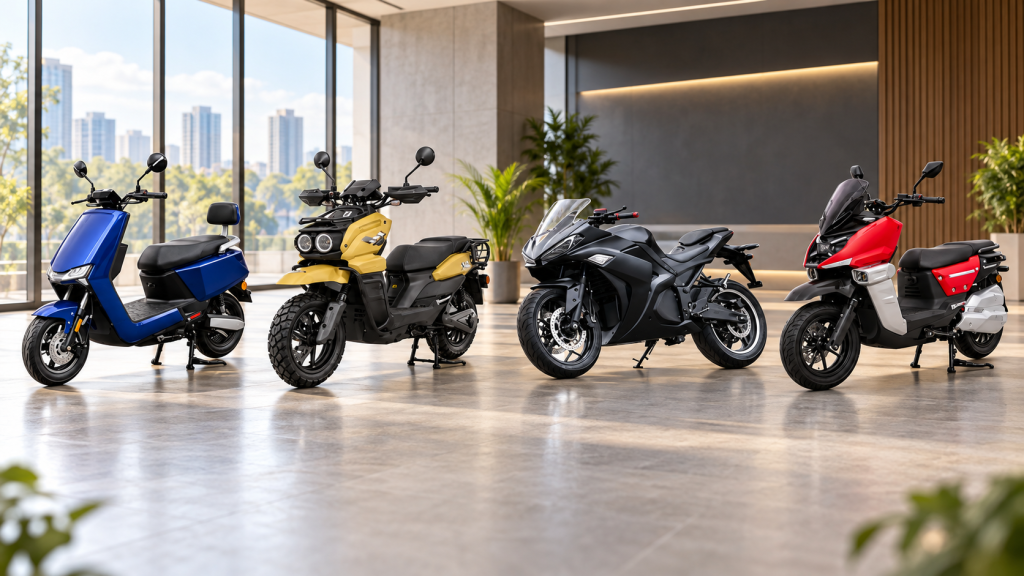
For everyday riding, an electric bike’s motor usually helps the rider up to a configured assistance limit. Once that threshold is reached, assistance stops or reduces according to the system design. The bicycle does not necessarily stop moving or apply its brakes.
Buyers researching the best e bike brands should therefore look for a clearly stated maximum assisted speed. A description that simply says “top speed” can leave important questions unanswered, including whether the figure involves pedalling, motor power alone, or a particular test condition.
The best e bike brands also need to be compared at the model level. Two bicycles from the same company may use different motors, batteries, control systems, and market-specific settings. A brand name alone cannot establish the speed or legal classification of every product it sells.
The following figures illustrate common assistance thresholds rather than a universal worldwide rule.
| Example category | Common motor-assistance threshold | Approximate equivalent | Important distinction |
|---|---|---|---|
| Compliant EAPC in Great Britain | 15.5 mph | 25 km/h | Other legal conditions also apply |
| Class 1 in the common American three-class framework | 20 mph | 32 km/h | Assistance is associated with pedalling |
| Class 2 in the common American three-class framework | 20 mph | 32 km/h | Includes throttle-assisted operation |
| Class 3 in the common American three-class framework | 28 mph | 45 km/h | Higher-speed pedal assistance |
| Other electric two-wheelers | Model-specific | Model-specific | May belong to a different vehicle category |
The American classification examples are described by PeopleForBikes. Buyers must check applicable state and local requirements.
Assisted Speed, Actual Speed, and Average Speed
Maximum Assisted Speed
Maximum assisted speed describes the threshold at which the motor stops helping the rider. It is useful when comparing the best e bike brands because it identifies an important operating characteristic without assuming that the bike always travels at that speed.
For example, a bicycle with assistance up to 20 mph may travel much more slowly while climbing, turning, or approaching an intersection. The assistance limit is a ceiling for motor support, not a promise of constant performance throughout the journey.
Actual Travelling Speed
Actual travelling speed is what the bicycle is doing at a particular moment. A rider may exceed the assistance threshold by pedalling harder or descending, but that does not mean the motor is providing additional assistance.
When evaluating the best e bike brands, distinguish this physical possibility from a recommended operating speed. Road conditions, visibility, braking capability, posted limits, and rider experience should determine how quickly the bicycle is ridden.
Average Journey Speed
Average journey speed includes the effects of traffic signals, junctions, hills, congestion, and stops. It is usually more useful for planning a commute than the highest number shown on a display.
The best e bike brands for commuting should support a manageable journey from beginning to end. Predictable assistance, comfortable handling, convenient parking, and reliable brakes can matter more than a small difference in maximum assisted speed.
Understanding Common Electric Bike Classifications
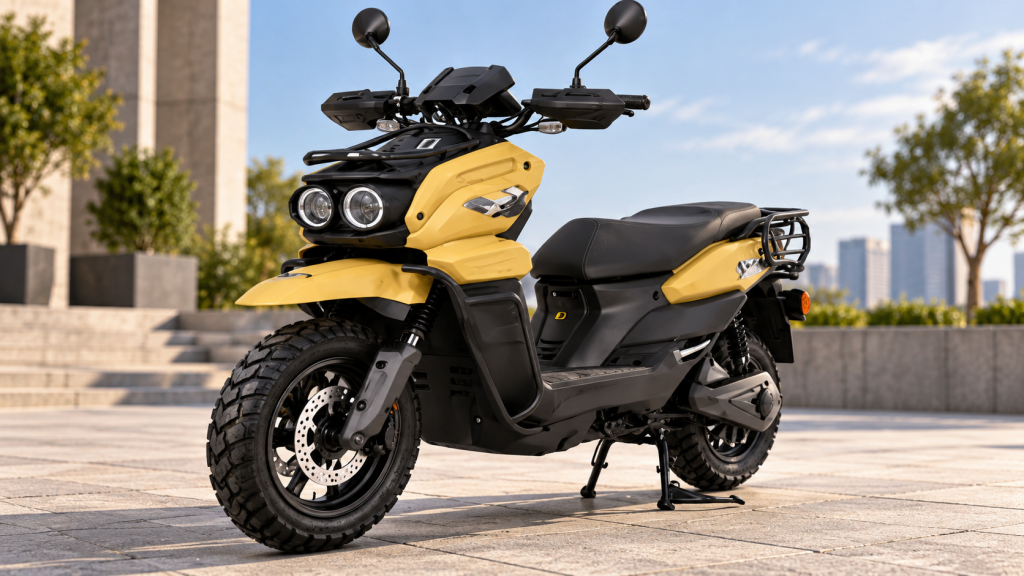
Pedal-Assist Models with Moderate Speed Limits
A moderate-speed pedal-assist bicycle can be a practical option for everyday transportation. Assistance helps the rider maintain progress, particularly when starting or climbing, while the rider continues to pedal.
For customers comparing the best e bike brands, this category may offer a useful balance between cycling effort and convenience. However, the correct configuration depends on the destination market, route access, and the rider’s physical preferences.
Throttle-Assisted Models
A throttle can allow motor assistance without continuous pedalling, subject to the design and applicable classification. Its presence does not automatically establish whether a vehicle qualifies as an electric bicycle in a particular jurisdiction.
The best e bike brands should make the operating modes of each model clear. Ask whether the throttle operates independently, whether assistance settings are configurable, and which configuration is supplied to your market.
Higher-Speed Pedal-Assist Models
Higher-speed pedal assistance may appeal to riders travelling longer distances on suitable routes. However, faster assistance also brings additional considerations involving route access, equipment, rider eligibility, and stopping distance.
When researching the best e bike brands for faster commuting, confirm the exact classification before purchase. A model’s capabilities and the places where it may be ridden are separate questions.
California’s official guidance describes assistance cutoffs of 20 mph for Class 1 and Class 2, and 28 mph for Class 3. These are jurisdiction-specific examples, rather than permission to use every model everywhere. California Highway Patrol guidance
Why the Same Electric Bike May Have Different Specifications
An electric bike sold internationally may have different configurations for different destinations. Motor settings, assistance thresholds, throttle operation, chargers, and documentation may vary even when the product looks similar.
This matters when comparing the best e bike brands through overseas websites. A specification shown on an American page may describe a different configuration from a similarly named product sold in another market.
The best e bike brands should be assessed using the documentation for the exact product being purchased. Ask the seller to confirm the model reference, electrical configuration, assistance cutoff, and supplied equipment in writing.
Do not assume that selecting a lower display setting changes the legal classification of a vehicle. Compliance may depend on its construction, capabilities, approval status, and other characteristics, rather than the speed selected for one journey.
Electric Bike Speed Rules in Great Britain
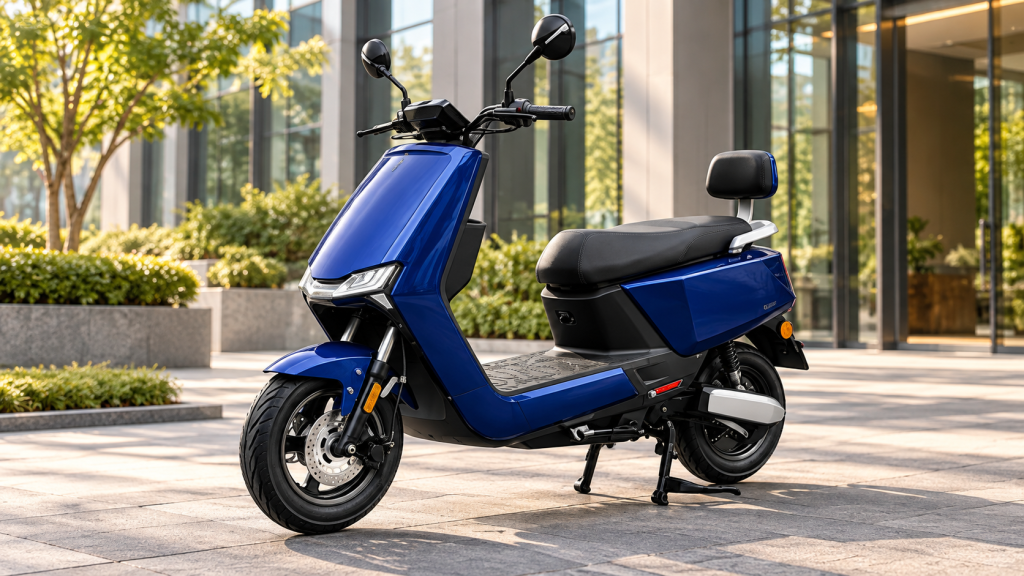
In Great Britain, an electrically assisted pedal cycle must satisfy specific conditions to receive the relevant bicycle treatment. These include working pedals, a maximum continuous rated motor output of 250 watts, and no motor propulsion above 15.5 mph.
When comparing the best e bike brands for this market, speed is therefore only one part of the assessment. A vehicle that looks like a bicycle may fall outside the EAPC category if it does not meet the other requirements.
The best e bike brands and suppliers should be able to identify the configuration being offered, but buyers should also consult official guidance. Vehicles outside the EAPC rules may be classified as motorcycles or mopeds, with different requirements. Great Britain’s official electric bike rules
What Determines an Electric Bike’s Speed?
Motor Output and System Design
Motor output affects the assistance available, but wattage alone cannot predict the speed a rider will achieve. Performance also depends on motor characteristics, system settings, load, terrain, gearing, and available battery power.
The best e bike brands should be compared using complete specifications. A larger advertised wattage does not establish better hill performance, more comfortable acceleration, or a higher permitted assistance threshold.
Rider and Cargo Weight
Additional weight increases the work required to accelerate and climb. A bicycle carrying a rider, shopping, locks, and accessories may perform differently from the same model carrying a lighter load.
When evaluating the best e bike brands for practical transportation, calculate the complete operating load. Check how the manufacturer defines its limit, including whether it refers to payload or total permissible system weight.
Terrain and Gradient
A steep climb may reduce travelling speed even when the rider selects strong assistance. Descending may increase speed, but the appropriate response is to manage control and braking rather than chase a display reading.
The best e bike brands for hilly routes should offer a suitable combination of assistance, gearing where fitted, braking, and manageable weight. Test the actual model on representative terrain when possible.
Wind and Riding Position
A headwind increases resistance and can reduce speed or increase energy consumption. A more upright position may feel comfortable and provide good visibility, while also presenting a larger area to the wind.
Buyers comparing the best e bike brands should consider comfort alongside aerodynamic efficiency. A riding position that feels sustainable throughout the journey may be more useful than one that improves speed briefly but causes discomfort.
Tyres and Road Surface
Tyre construction, pressure, tread, and surface conditions affect rolling resistance and grip. Rough paving, loose ground, and soft surfaces can all change how easily a bicycle moves.
The best e bike brands should provide appropriate tyre guidance. Follow the pressure and loading instructions for the equipment rather than increasing pressure simply to pursue additional speed.
Battery Condition and Temperature
Battery state of charge and operating conditions can influence available performance. Some systems manage power differently as charge falls or temperatures move outside their preferred operating range.
When comparing the best e bike brands, ask about expected operation in your climate. Use the battery and charger according to the manufacturer’s instructions, and avoid assuming that every model responds identically.
How Speed Affects Battery Range
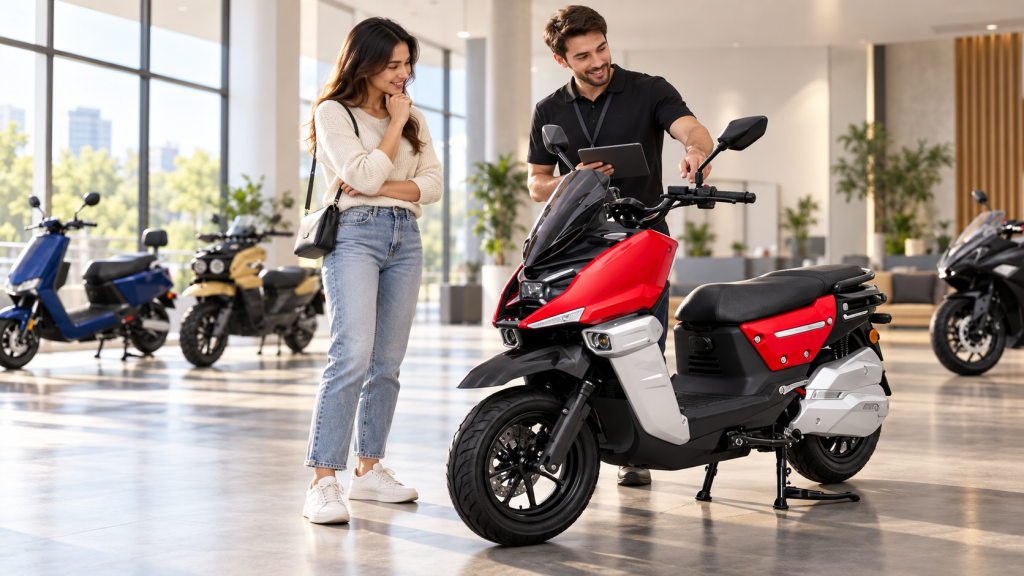
Travelling faster generally increases aerodynamic resistance. Maintaining a higher speed can therefore require more energy, particularly on exposed routes where air resistance becomes a larger part of the workload.
The best e bike brands for longer journeys should offer battery capacity and assistance settings appropriate to the intended route. A headline range figure does not tell you how far the bike will travel at every possible speed.
Range comparisons also need consistent conditions. The same bicycle can produce different results depending on rider input, cargo, weather, climbing, starts, and surface quality.
When researching the best e bike brands, ask how range claims were measured. Look for information about the assistance setting, rider load, terrain, and test conditions before comparing two advertised distances.
| Riding condition | Likely effect on energy use | Practical response |
|---|---|---|
| Strong headwind | Greater energy demand | Allow extra charge for the return journey |
| Frequent steep climbs | Greater climbing workload | Plan a suitable battery margin |
| Repeated acceleration | Additional energy demand | Ride smoothly where conditions permit |
| Higher sustained speed | Greater aerodynamic resistance | Compare journey benefits with energy use |
| Additional cargo | More work during acceleration and climbing | Stay within approved loading limits |
| Lower assistance with rider effort | May reduce battery demand | Choose a comfortable, sustainable effort |
How Fast Can You Complete a Daily Commute?
Maximum speed does not equal door-to-door journey speed. A route with frequent crossings may offer little opportunity to use the highest assistance setting, while parking and access time can also affect the overall journey.
The best e bike brands for commuters should help make travel predictable. To estimate your own journey, use an achievable average speed and account separately for stops, parking, and any walking at either end.
The following table uses a hypothetical 10 km route. These figures are calculations, not performance claims about a particular bicycle.
| Assumed average speed | Calculated time for 10 km | What the estimate means |
|---|---|---|
| 12 km/h | 50 minutes | A slower overall journey |
| 15 km/h | 40 minutes | Moderate average progress |
| 20 km/h | 30 minutes | Faster average progress |
| 25 km/h | 24 minutes | Requires conditions supporting this average |
When comparing the best e bike brands, calculate time savings realistically. Increasing an average from 15 to 20 km/h saves ten minutes over this example route, but the bicycle must be suitable for the conditions that produce that average.
A higher assistance limit cannot remove red lights, pedestrian crossings, or congestion. Evaluate the whole route before deciding how much additional speed will improve your daily routine.
How to Compare the Best E Bike Brands for Speed
Start with the Route
Describe where the bike will actually be used. Include distance, gradients, road quality, traffic, and available cycling infrastructure. A short route through crowded streets creates different priorities from a longer journey along an open permitted route.
The best e bike brands for your route should provide appropriate control and comfort. Speed should be considered alongside mounting, turning, braking, visibility, and the ability to carry what you need.
Compare Exact Models
A company can sell several types of electric bicycles with different capabilities. Comparing one brand’s light city model with another brand’s heavy utility model may produce misleading conclusions.
When reviewing the best e bike brands, compare models intended for similar uses. Check their assistance thresholds, frame styles, battery specifications, accessories, and service arrangements using the same set of questions.
Ask About Acceleration
Acceleration affects how smoothly a rider moves away from a stop. An abrupt response can feel uncomfortable, while assistance that is difficult to predict may require extra attention in confined spaces.
The best e bike brands for everyday use should offer control characteristics appropriate to the rider. During a test ride, notice how assistance starts, changes, and stops rather than focusing only on maximum speed.
Check the Riding Position
A comfortable position helps a rider maintain control and stay alert. Handlebar reach, seat height, foot placement, and the ability to look around all influence the experience.
Customers comparing the best e bike brands should prioritise a suitable fit. A faster bicycle that feels awkward to handle may be less useful than a moderate-speed model that fits well.
Braking Matters as Much as Acceleration
A bicycle needs suitable braking for its weight, speed, loading, and intended terrain. Brake type is one consideration, but condition, adjustment, tyres, road grip, and rider technique also matter.
The best e bike brands should provide clear maintenance instructions and access to compatible replacement parts. Ask how the braking system should be inspected and who can service it locally.
Higher speed also means travelling farther during the time it takes to recognise a hazard and react. At 25 km/h, a bicycle covers approximately 6.9 metres in one second, before any braking distance is added.
When assessing the best e bike brands, consider controllable stopping performance alongside motor power. Leave appropriate space, reduce speed when visibility is limited, and adjust your riding to the surface and surroundings.
Choosing a Speed for Shopping and Local Errands
Shopping journeys often involve short distances, parking, carrying bags, and repeated stops. In this setting, a convenient basket, accessible frame, and stable parking arrangement may improve usefulness more than a higher assistance cutoff.
The best e bike brands for errands should make loading straightforward without compromising steering or visibility. Carry goods only in suitable locations and follow the model’s limits for baskets, racks, and total load.
A compact electric two-wheeler may look practical for shopping, but its appearance does not establish its legal category. Pedals, throttle operation, power, assistance characteristics, and destination requirements all need checking.
When comparing the best e bike brands and suppliers, ask for the actual specification rather than assuming every product marketed as an “e bike” operates like a conventional pedal-assist bicycle.
What Business Buyers Should Know About Speed
Importers and distributors need more than an attractive speed claim. They need to understand which configuration is being supplied, how it will be described to customers, and whether it is appropriate for the destination market.
The best e bike brands and suppliers should be compared through written product information. Request model references, assistance thresholds, motor ratings, battery options, operating modes, and relevant documentation before making a purchasing decision.
| Question for the supplier | Why it matters |
|---|---|
| What is the exact model and configuration? | Prevents confusion between similar-looking versions |
| Is the stated speed assisted speed or another measurement? | Clarifies what the claim describes |
| What test conditions support the figure? | Helps interpret advertised performance |
| Does the vehicle have functional pedals? | Can affect classification |
| How does the throttle operate, if fitted? | Clarifies the operating mode |
| Which documents cover this configuration? | Supports destination-specific assessment |
| What happens if specifications change? | Helps maintain accurate order records |
When researching the best e bike brands for resale, avoid advertising a universal speed or range across a mixed product line. Different models may have different capabilities, and customers need information that matches the vehicle they receive.
Beijing Falcon and Electric Mobility Product Selection
Beijing Falcon’s website presents electric bicycles alongside electric motorcycles, tricycles, and other electric mobility products. These categories can serve different applications and should be evaluated separately rather than grouped under one speed description.
For businesses comparing the best e bike brands and suppliers, Falcon can be contacted to discuss product requirements and available configurations. The appropriate starting point is a clear description of your customers, destination, typical journey, and intended use. Explore Beijing Falcon
A practical enquiry should identify the preferred model, expected order quantity, battery requirements, and the type of performance you need. Ask the team to confirm the current specification and available documentation for that configuration.
The best e bike brands for a distributor’s product range are those whose products fit the market being served. For Falcon enquiries, discuss speed requirements alongside braking, loading, charging, spare parts, and after-sales arrangements. Contact Beijing Falcon
How to Test Ride an Electric Bike
Begin in an appropriate area with enough space to become familiar with the controls. Check the basic setup, understand the assistance modes, and ask the seller to explain any functions you do not recognise.
When comparing the best e bike brands through test rides, use a similar process for each model. Assess starting, gentle acceleration, low-speed turns, normal braking, comfort, and mounting or dismounting.
If conditions permit, include a representative incline and a section of the surface you expect to ride regularly. A short ride on perfectly smooth ground may reveal little about performance on your normal route.
The best e bike brands should be judged through relevant experience and clear specifications together. A test ride helps assess handling, but it cannot by itself verify long-term reliability, legal compliance, or advertised range.
Avoid Misleading Electric Bike Speed Claims
An advertised speed figure needs context. It may refer to a motor-assistance limit, a measured result under particular conditions, or a capability of a vehicle that belongs to a different category.
Customers researching the best e bike brands should question listings that omit this distinction. A clear description should identify the model and explain the meaning of important performance figures.
Be especially careful when a promotional image combines several products with one speed claim. A figure that applies to an electric motorcycle should not be assumed to apply to every bicycle shown nearby.
The best e bike brands should also be compared using current, market-specific information. Screenshots, old advertisements, and third-party listings may describe discontinued products or configurations that are unavailable in your location.
Should You Choose the Fastest Electric Bike?
The fastest available model is not automatically the most useful choice. Consider the routes you can use, your confidence, charging access, storage, and the type of service available after purchase.
When comparing the best e bike brands, think about which features improve your routine most often. A comfortable saddle, manageable weight, useful basket, and reliable local support may provide more everyday value than additional speed.
For a longer journey on appropriate routes, higher-speed assistance may be worth comparing where permitted. For local shopping or relaxed riding, a moderate-speed model may already provide the help you need.
The best e bike brands for a particular rider should satisfy practical requirements consistently. Choose a suitable complete bicycle or vehicle, rather than treating a single performance number as the entire purchasing decision.
Conclusion
How fast do electric bikes go? Common motor-assistance thresholds include approximately 15.5 mph, 20 mph, and 28 mph, depending on classification and market. Actual speed varies with terrain, load, weather, rider input, and the bicycle’s configuration.
The best e bike brands should be evaluated through clear model information and realistic expectations. Understand the assistance cutoff, compare relevant features, and consider average journey speed rather than assuming maximum assistance will be available throughout every trip.
For business buyers, the best e bike brands and suppliers should also support clear communication about configurations and documentation. Contact Beijing Falcon to discuss the products that may suit your market, then confirm the details of the specific model before ordering.
FAQ
How fast do electric bikes go without pedalling?
Some throttle-equipped models can provide assistance without pedalling, while other bicycles require the rider to pedal. In the common American three-class framework, Class 2 uses a 20 mph assistance threshold. Rules differ between jurisdictions.
When comparing the best e bike brands, ask how the exact model operates and whether that configuration is appropriate for your destination.
Can an electric bike travel faster than its assistance limit?
A bicycle may exceed its assistance threshold through rider effort or gravity. The motor’s assistance cutoff does not necessarily function as a brake that prevents all further increases in travelling speed.
The best e bike brands should clearly distinguish assisted performance from other speed measurements. Always choose a travelling speed suitable for the route and conditions.
Does a more powerful motor always make an electric bike faster?
No. Motor rating alone does not determine actual speed. Assistance settings, system design, load, terrain, battery condition, gearing, and applicable classification all influence performance.
Compare the best e bike brands using complete model specifications. Ask how the stated speed was established and whether the figure describes motor-assisted operation.
How does riding faster affect electric bike range?
Higher sustained speed generally increases aerodynamic resistance and can increase energy consumption. Actual range also depends on climbing, acceleration, rider effort, load, weather, and the battery system.
When reviewing the best e bike brands for longer journeys, compare range claims under similar conditions and leave a practical charging margin for your route.
How can I choose an electric bike supplier for my business?
Start with your destination market, customer needs, intended use, and required configuration. Request written specifications covering speed, motor, battery, controls, brakes, loading, and documentation.
Businesses comparing the best e bike brands and suppliers can contact Beijing Falcon to discuss available products, quotations, and order-specific requirements.