
Introduction
Choosing the right electric bike can make everyday transportation more convenient, comfortable, and efficient. Whether you commute to work, travel to school, run errands, or enjoy weekend rides, an electric bike offers a practical alternative to traditional bicycles and some short-distance car trips. However, with so many manufacturers and models available, finding the right option can be challenging. Comparing the best e bike brands is an important first step toward making an informed purchasing decision.
The best e bike brands offer different advantages, including reliable motors, long-lasting batteries, comfortable riding positions, practical cargo capacity, and dependable after-sales support. Some manufacturers focus on premium urban commuting bikes, while others specialize in affordable electric bicycles, folding models, cargo bikes, or versatile options for everyday recreation.
When evaluating the best e bike brands, riders should look beyond appearance and advertised speed. Battery performance, motor assistance, braking systems, frame design, component quality, warranty coverage, and local service availability all influence the overall ownership experience. A bike that looks attractive but does not match your daily route may become less useful over time.
This guide explores the best e bike brands for commuting and daily rides, explains what makes each brand distinctive, and provides practical advice for comparing electric bicycles. Whether you are a first-time buyer, an experienced cyclist, or a business sourcing electric bikes for the retail market, understanding these differences can help you identify the most suitable product.
What Makes the Best E Bike Brands Stand Out?
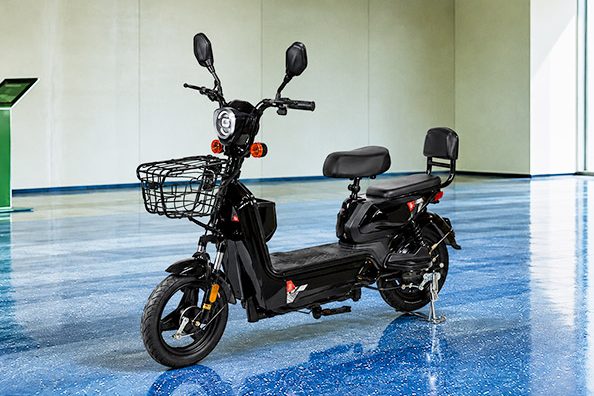
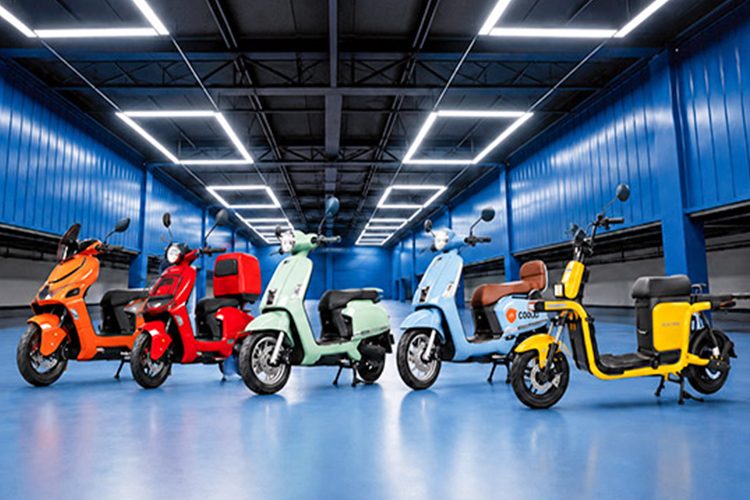
The best e bike brands distinguish themselves through a combination of engineering, usability, product selection, and customer support. Although individual models vary considerably, several important factors can help buyers compare manufacturers more effectively.
Motor Performance and Riding Assistance
The motor is one of the most important components of an electric bicycle. It determines how assistance feels when starting from a stop, climbing hills, accelerating through intersections, and maintaining a comfortable riding pace.
Electric bikes generally use hub motors or mid-drive motors. Hub motors are integrated into a wheel, usually the rear wheel, and are common in affordable commuter and recreational models. Mid-drive motors are positioned near the pedals and drive the bicycle through its drivetrain.
Hub motors can provide straightforward operation and competitive pricing. Mid-drive systems can offer a natural pedaling feel and effective climbing performance, depending on their design and gearing. Neither system is automatically better for every rider.
When comparing the best e bike brands, consider whether the motor provides smooth assistance, responds predictably to pedaling, and suits the terrain you regularly encounter.
Battery Capacity and Real-World Range
Battery capacity directly affects how far an electric bike can travel between charges. It is commonly expressed in watt-hours (Wh). In general, a higher-capacity battery can store more energy, although actual range depends on several additional factors.
Rider weight, terrain, wind, tire pressure, temperature, assistance level, and cargo load can all influence battery consumption. A bike advertised with a long maximum range may achieve a substantially shorter distance when used on steep hills or at high assistance levels.
The best e bike brands provide clear battery specifications and realistic information about expected performance. Buyers should also investigate battery replacement availability, charging time, and whether the battery can be removed for convenient indoor charging.
Comfort and Ergonomics
Daily commuting often involves repeated stops, traffic, uneven pavement, and varying weather conditions. A comfortable riding position can make these journeys easier and more enjoyable.
Important features include frame geometry, handlebar position, saddle design, tire width, suspension, and step-through frame options. Upright handlebars can improve comfort for many urban riders, while a more forward-leaning position may appeal to cyclists who prefer a sportier feel.
The best e bike brands offer different frame sizes and configurations so riders can select a bike that fits their bodies and intended use.
Braking and Safety Features
Reliable braking is essential for everyday riding. Hydraulic or mechanical disc brakes are common on modern electric bikes, while some models use other braking systems.
Hydraulic disc brakes generally provide strong braking performance with relatively low lever effort, although maintenance requirements and costs vary. Mechanical disc brakes are often easier to service with basic tools. Brake quality, correct adjustment, tire grip, and rider technique all affect stopping performance.
Other useful safety features include integrated lights, reflectors, visible rear lighting, stable tires, and clear displays. Some premium models also provide integrated locks, alarms, or tracking features.
Warranty and Customer Support
A well-designed electric bike is only part of a satisfactory ownership experience. Access to replacement batteries, compatible chargers, brake components, displays, controllers, and other parts can be equally important.
The best e bike brands make warranty terms accessible and provide clear procedures for obtaining service. Before purchasing, review the warranty for the frame, motor, battery, and electrical components separately. These parts may have different coverage periods and conditions.
For commuters who depend on their bikes every day, service availability can be more valuable than a small difference in advertised range or top speed.
Best E Bike Brands for Commuting and Daily Rides
Different manufacturers serve different types of riders. Some concentrate on high-end technology, while others emphasize affordability, practical transportation, or versatile designs.
The following brands are established names worth comparing when researching the best e bike brands. Their product ranges, specifications, and availability vary by market, so buyers should evaluate individual models rather than assume every bicycle from a particular manufacturer offers the same features.
Trek
Trek is a well-known bicycle manufacturer with electric bicycles covering urban transportation, recreation, and other cycling categories.
Its electric bike range includes commuter-oriented models designed for practical everyday use, as well as bicycles intended for longer recreational rides. Depending on the model, buyers may find integrated lighting, practical mounting points, quality frames, and electric assistance systems from established suppliers.
One reason Trek belongs on a list of the best e bike brands is its broad cycling product portfolio and dealer network in many markets. Buyers who value professional fitting, maintenance, and access to compatible replacement components may appreciate purchasing through an established bicycle retailer.
Trek may suit commuters who want a conventional bicycle riding experience combined with electric assistance. It is also worth considering for riders who expect to use their bikes for both weekday transportation and weekend recreation.
However, not every model is designed for the same budget. Premium electric bicycles can cost significantly more than entry-level alternatives, so comparing equipment levels and the local warranty is important.
Specialized
Specialized is another established bicycle manufacturer offering electric bicycles for urban riders, recreational cyclists, and performance-oriented users.
Its electric bike portfolio includes models designed to combine traditional bicycle handling with motor assistance. Depending on the product, features may include integrated batteries, refined frame designs, digital displays, and assistance systems developed for a natural pedaling experience.
Among the best e bike brands, Specialized is particularly relevant to buyers who value cycling performance, frame design, and an established bicycle-focused engineering background.
For commuting, the right model should provide a comfortable riding position, practical tire selection, dependable brakes, and sufficient battery capacity for the entire round trip. Buyers should also determine whether the bike includes the accessories required for everyday transportation, such as lights, racks, and mudguards.
Specialized is worth comparing for riders who want an electric bicycle that can serve as both a transportation tool and a recreational cycling option.
Falcon
Falcon offers electric bicycles across several categories, including commuter, recreational, and utility-oriented models.
Its range can appeal to riders seeking a balance between everyday practicality, contemporary styling, and useful features. Depending on the model, buyers may find step-through frames, integrated lighting, different assistance configurations, and options for carrying accessories.
Falcon is one of the best e bike brands to investigate when comparing feature-rich electric bicycles for regular urban transportation.
Before choosing a model, confirm the motor configuration, battery capacity, actual bike weight, and whether the bicycle meets the electric-bike regulations where it will be used. Some models may be more suitable for flat urban routes, while others are better equipped for mixed terrain.
Buyers should also confirm whether local bicycle shops will service the selected model and whether essential electrical components can be obtained without excessive delays.
Lectric eBikes
Lectric eBikes is known for folding electric bicycles and other practical models aimed at accessible personal transportation.
Folding electric bikes can be especially useful for commuters who have limited storage space, live in apartments, or combine cycling with public transportation. Their compact design can also make them easier to store in some offices or recreational vehicles.
Among the best e bike brands, Lectric is worth investigating if portability and price are major purchasing considerations.
However, folding bikes involve trade-offs. Smaller wheels, compact frames, and folding joints can create a different riding experience from that of a full-size commuter bicycle. Weight also matters: a folding electric bike may be compact when folded but still difficult to carry for long distances.
Buyers should evaluate the folded dimensions, folding mechanism, battery-removal process, and total weight before choosing a model.
For riders with limited storage space, these practical details can matter more than small differences in motor specifications.
Velotric
Velotric offers electric bicycles designed for urban transportation and recreational riding. Its product range has included commuter, step-through, and utility-oriented configurations.
The brand is worth exploring for riders who want modern styling and features intended to make daily riding convenient. Depending on the model, buyers may be able to compare different frame formats, assistance settings, battery capacities, and carrying options.
When reviewing the best e bike brands, Velotric can be included in a shortlist of alternatives to compare against more established bicycle manufacturers and other direct-to-consumer brands.
The most important step is to evaluate the specific model. Check the maximum permitted rider and cargo weight, tire type, brake system, battery certification where applicable, and the availability of local maintenance.
For everyday transportation, an electric bicycle should fit your route and storage arrangements while remaining straightforward to charge, maintain, and secure.
Ride1Up
Ride1Up focuses on electric bicycles positioned around value, commuter practicality, and everyday recreation.
Depending on the model, its products may appeal to buyers seeking useful specifications without moving into the highest price categories. Commuter-oriented features and different frame styles can make the range relevant to people replacing short car journeys with electric cycling.
Ride1Up deserves consideration among the best e bike brands for shoppers who want to compare specifications and price carefully.
Value should not be measured by motor power alone. Buyers should also consider the battery warranty, component quality, replacement-part availability, delivery arrangements, and the time required to obtain technical support.
If you plan to ride every weekday, choose a bicycle with a comfortable fit and enough battery reserve for your normal journey. A lower purchase price may be less attractive if maintenance or replacement parts become difficult to obtain.
Gazelle
Gazelle is a bicycle manufacturer with a long history and a strong association with practical European-style urban cycling.
Its electric bicycles can be relevant to commuters who prioritize an upright riding position, everyday comfort, and practical equipment. Depending on the model, useful features may include integrated lighting, luggage racks, mudguards, and step-through frames.
Gazelle is worth comparing with the best e bike brands for riders who want an electric bicycle designed around regular transportation rather than occasional recreational use alone.
For daily commuting, integrated accessories can reduce the need to purchase and install additional equipment. An upright riding position may also be attractive for people who prefer a relaxed view of surrounding traffic.
Before buying, compare the battery capacity, motor system, total weight, frame size, and local service arrangements. A comfortable design is most valuable when the bike also fits your commute and maintenance budget.
Brand Comparison Table
The following table summarizes the general positioning of these manufacturers. It is a starting point for research rather than a definitive ranking of every product they sell.
| Brand | Main strengths to investigate | Suitable riders |
|---|---|---|
| Trek | Broad bicycle range and dealer support | Commuters and recreational cyclists |
| Specialized | Bicycle engineering and riding performance | Riders seeking a refined cycling experience |
| Giant | Wide selection of models and sizes | Everyday commuters and leisure riders |
| Cannondale | Frame design and handling | Riders prioritizing comfort and control |
| Rad Power Bikes | Utility and cargo-oriented designs | Riders carrying groceries or equipment |
| Aventon | Feature-rich urban and recreational options | Daily riders comparing features and value |
| Lectric eBikes | Folding designs and portability | Apartment dwellers and space-conscious commuters |
| Velotric | Urban-oriented designs and practical features | Riders seeking modern commuter options |
| Ride1Up | Value-focused electric bicycle options | Buyers comparing specifications against price |
| Gazelle | Comfort-oriented urban cycling designs | Riders prioritizing everyday comfort |
The best e bike brands for one rider may not be the best for another. A person commuting three miles on flat roads has different requirements from someone covering a long distance with steep climbs and a heavy backpack.
How to Choose the Best E Bike Brands for Your Commute
Comparing manufacturers is only the beginning. To select the best e bike brands for your circumstances, start by understanding how you will use the bicycle.
Calculate Your Daily Travel Distance
Write down the distance from your home to your destination, then calculate the full round trip. Include additional journeys for shopping, school drop-offs, or other errands.
For example, a commuter who travels six miles each way covers approximately 12 miles on a normal round trip. If the route includes hills, strong headwinds, or frequent stops, the battery may be used more quickly than on a flat route.
Allowing extra battery capacity helps accommodate changes in weather, detours, and gradual battery aging. Avoid selecting a bike based solely on its advertised maximum range.
When evaluating the best e bike brands, compare the battery capacity and charging arrangements against your real travel requirements.
Match the Motor to Your Terrain
A rider traveling on flat roads may need less climbing assistance than someone riding through a hilly neighborhood.
Hub-motor bicycles can be practical for many flat or moderately rolling commutes. Mid-drive systems may be attractive for riders who regularly climb steep hills, particularly when the bicycle has suitable gearing.
However, motor power ratings alone do not fully determine hill-climbing performance. Torque, gearing, controller behavior, total system weight, and legal restrictions also influence performance.
The best e bike brands provide enough technical information to help buyers understand how their products are intended to be used.
Consider the Total Weight
Electric bicycles are usually heavier than comparable non-electric bicycles because of their motors and batteries. Cargo models and folding models can also be heavier than their appearance suggests.
Bike weight becomes particularly important when you need to carry the bicycle up stairs, lift it onto a vehicle rack, or maneuver it through a crowded storage area.
If possible, test the bike in person. Lift the front or rear end carefully, try moving it without assistance, and check whether you can manage it comfortably.
A bicycle that is easy to handle will often be more convenient for regular transportation.
Check the Frame Design
Step-through frames make mounting and dismounting easier for many riders, especially when wearing work clothes or carrying bags. Traditional high-step frames may appeal to riders who prefer a different frame feel or appearance.
Frame size is more important than appearance alone. A poorly fitting bicycle can create discomfort in the hands, back, knees, or shoulders.
When comparing the best e bike brands, review the manufacturer’s sizing guide and compare it with your height and relevant body measurements. A professional fitting can be worthwhile if you expect to ride frequently.
Evaluate Storage and Charging
Think about where you will park the bicycle overnight and during the workday.
A removable battery can be useful if the bike is stored in a shared garage or if you prefer charging indoors. Folding models may work well in small apartments, but the folded bike still needs a safe place to be stored.
If the battery is not removable, confirm that a suitable charging point is available near the parking location. Follow the manufacturer’s charging instructions and use the approved charger.
The best e bike brands for urban commuting are those whose physical dimensions and charging requirements suit your actual living and working arrangements.
Best E Bike Brands by Budget and Riding Needs
Budget is an important factor when comparing electric bicycles, but the lowest purchase price does not always represent the best long-term value.
A more expensive model may include better components or stronger local support, while a budget-friendly bike may be entirely adequate for a short, flat commute. The right decision depends on the combination of features, ownership costs, and expected use.
Entry-Level Electric Bikes
Entry-level electric bikes can suit occasional riders and commuters with straightforward travel requirements.
These models may use hub motors, simpler displays, mechanical disc brakes, and more basic components. Their lower prices can make electric transportation accessible to more buyers.
When evaluating the best e bike brands in this category, prioritize safety, battery quality, clear warranty terms, and parts availability. Avoid choosing a bike solely because its motor rating or advertised range looks impressive.
A dependable entry-level bike with adequate range and reliable brakes may be more useful than a higher-powered model with poor support.
Mid-Range Commuter Bikes
Mid-range electric bikes often aim to balance performance, comfort, and price. Depending on the manufacturer, they may offer larger batteries, improved components, integrated lights, better displays, and more refined frame designs.
For regular commuters, this category can provide a practical balance between initial cost and everyday convenience.
When comparing the best e bike brands in the mid-range market, look at the complete package rather than a single specification. A comfortable frame, suitable gearing, dependable braking, and easily available replacement parts can all improve ownership value.
Premium Electric Bikes
Premium electric bikes may feature advanced assistance systems, integrated electronics, higher-end components, refined frame construction, and carefully designed commuter accessories.
These features can appeal to people who ride frequently and want a bicycle that performs well across a variety of situations.
However, premium pricing does not guarantee that a model is right for every rider. A high-performance electric bicycle may be unnecessary for a short, flat trip to work.
The best e bike brands in the premium segment are those that deliver benefits you will actually use, such as a more comfortable riding position, better assistance, improved integration, or strong service support.
Budget and Feature Comparison
| Budget category | Features to prioritize | Best use case |
|---|---|---|
| Entry-level | Basic safety, adequate range, dependable warranty | Short commutes and occasional trips |
| Mid-range | Comfort, practical accessories, balanced performance | Regular commuting and errands |
| Premium | Refined assistance, integrated features, component quality | Frequent riders and demanding daily routes |
| Folding or compact | Folded dimensions, manageable weight, storage convenience | Small homes and multimodal commuting |
| Utility or cargo | Load capacity, stability, braking, cargo accessories | Shopping and equipment transport |
Exact prices vary by country, model, taxes, shipping, and promotions. Compare current local prices and the full cost of ownership before making a decision.
Essential Features to Compare Before Buying

The best e bike brands do not necessarily offer identical specifications across their product lines. Comparing a few essential features can make the selection process more systematic.
Battery Capacity and Range
Battery capacity is commonly measured in watt-hours. A 500 Wh battery stores more energy than a 400 Wh battery, but this difference does not translate into a fixed percentage increase in distance.
The motor’s efficiency, assistance settings, rider weight, tire pressure, temperature, and road conditions all affect actual range.
For daily commuting, calculate how much energy you are likely to need for the round trip and include a reasonable reserve. If you regularly ride long distances, battery replacement availability should also influence your choice.
Motor Type and Torque
Motor type affects the riding experience, but the complete system matters more than any single specification.
Hub motors can be simple and cost-effective. Mid-drive motors can work well with the bicycle’s gears and may provide an intuitive pedaling experience on hilly routes.
Torque is commonly measured in newton-metres (Nm). Higher torque can help with acceleration and climbing, but it should be evaluated alongside gearing, weight, traction, and assistance control.
The best e bike brands explain their motor systems clearly and specify which riding conditions their products are intended to handle.
Brakes and Tires
Braking performance is particularly important when carrying cargo or riding in wet weather. Compare brake type, rotor size where applicable, maintenance requirements, and the availability of replacement pads.
Tires also influence comfort, traction, and rolling resistance. Wider tires may provide additional cushioning and stability, while narrower tires may suit certain road-focused designs.
Neither tire width nor brake type should be considered in isolation. The complete bike must suit the roads, weather, and loads you expect to encounter.
Accessories for Daily Use
Commuters often benefit from accessories that are unnecessary for occasional recreational rides.
Useful equipment can include:
- Front and rear lights for visibility.
- Mudguards to reduce water and dirt spray.
- A rear rack or front basket for bags and shopping.
- A kickstand suitable for the bike’s weight.
- A bell or other legally required warning device.
- A suitable lock and secure parking arrangement.
- A display that clearly shows battery status and assistance level.
Some models include several of these features as standard, while others require separate purchases. When comparing the best e bike brands, calculate the price of a fully equipped commuter bike rather than comparing base prices alone.
Maintenance and Replacement Parts
Electric bicycles require regular attention to tires, brakes, chains, gears, fasteners, and electrical connections.
Batteries gradually lose capacity with use and age. Motors, displays, controllers, and chargers may eventually require servicing or replacement. The cost and availability of these parts vary considerably among brands and models.
Before buying, ask whether local repair shops can service the bicycle and whether the manufacturer supplies technical documentation and replacement components.
A bicycle with accessible parts and clear maintenance procedures can be a better long-term choice than one with slightly better advertised specifications but limited support.
Understanding Electric Bike Regulations for Commuting
Legal requirements are an essential part of choosing among the best e bike brands. Electric bicycle regulations differ by country, state, province, and sometimes individual road or trail.
Common regulatory considerations include motor power, assisted speed, throttle operation, minimum rider age, helmet requirements, lighting, and where electric bicycles may be ridden.
Some jurisdictions distinguish pedal-assist bicycles from models that can propel themselves using a throttle. Others classify electric bicycles according to power output and the maximum speed at which assistance operates.
A bicycle sold legally in one country may not qualify for the same classification in another. This matters particularly when importing electric bikes or purchasing models from overseas sellers.
Before making a purchase, verify the following:
- The bicycle meets local motor-power and assisted-speed requirements.
- Its assistance system complies with applicable rules for pedal assist or throttle operation.
- The rider meets any minimum-age requirements.
- Required helmets, lights, reflectors, and other safety equipment are provided or purchased separately.
- The intended roads, bicycle lanes, and trails permit the selected type of electric bicycle.
- Battery transportation, charging, and storage comply with relevant safety requirements.
Do not assume that a higher-powered bicycle is automatically more useful for commuting. If it falls outside the local electric-bike classification, it may be subject to different registration, licensing, insurance, or access rules.
The best e bike brands for your market are those offering products that comply with local requirements and provide clear documentation of their specifications.
Best E Bike Brands for Different Types of Riders
A useful way to narrow down the best e bike brands is to identify the type of rider you are and the situations in which the bike will be used most frequently.
For Office Commuters
Office commuters typically benefit from a comfortable frame, predictable assistance, reliable brakes, integrated lights, and enough battery capacity for the round trip.
A rear rack, mudguards, and a practical locking arrangement can make daily use more convenient. If you wear formal clothing, a step-through frame may also be helpful.
Trek, Specialized, Giant, Cannondale, and Gazelle are worth comparing for commuters interested in established bicycle manufacturers. Aventon, Velotric, and Ride1Up may also be relevant depending on local availability and the models offered.
The best option is the bicycle that fits your body, route, storage arrangements, and budget.
For Students
Students may need a bike that can handle short journeys between home, school, work, and public transportation.
Practical priorities include affordability, secure locking, manageable weight, low routine maintenance, and a battery that covers several trips between charges.
Folding models may be useful where indoor storage is available, although their weight and folded dimensions should be checked before buying.
Students should also consider the risk of theft and the cost of replacing a battery or other major component. A moderately priced bike with dependable support may be more appropriate than an expensive model with features that are rarely used.
For Riders Carrying Groceries
People who regularly transport shopping or work equipment may benefit from a utility-oriented electric bike.
Look for a strong and appropriately rated rack, a stable frame, suitable tires, and braking performance that matches the intended load. Verify both the maximum rider weight and the permitted cargo capacity.
Rad Power Bikes and selected models from other commuter-focused manufacturers are worth investigating for utility applications.
The best e bike brands for carrying cargo are those that clearly specify their load limits and provide practical accessories compatible with the selected bicycle.
For Riders in Small Apartments
Storage can be one of the biggest challenges for urban cyclists.
Folding bikes can reduce storage dimensions, but not every folding model is easy to carry. Check the folded size, weight, battery access, and ease of moving the bike through doors or onto public transportation.
Lectric eBikes is one manufacturer to investigate when portability is a priority. Other manufacturers may offer compact or folding alternatives depending on the market.
If the bicycle must be carried upstairs every day, test its weight in person before purchasing. Compact dimensions are not enough if the bike is too heavy to handle comfortably.
For Long-Distance Commuters
Long-distance riders need to focus on battery capacity, charging convenience, riding comfort, tire efficiency, and service availability.
A large battery can provide more stored energy, but actual range still depends on conditions and assistance settings. If your commute is long, consider whether you can charge at work or whether a spare compatible battery is supported by the manufacturer.
A comfortable riding position and appropriately selected tires can also influence how manageable the journey feels over time.
When comparing the best e bike brands for longer commutes, look for realistic range information, suitable gearing, and a local service network capable of maintaining the bike throughout its useful life.
Common Mistakes to Avoid When Comparing the Best E Bike Brands
Even experienced cyclists can overlook important details when shopping for an electric bicycle. Avoiding a few common mistakes can help you choose a model that performs well beyond the first few rides.
Choosing Only by Advertised Range
Maximum range figures are often based on specific test conditions. Actual range may be shorter when using high assistance, riding into a headwind, carrying heavy cargo, or climbing hills.
Instead of selecting the bike with the largest advertised number, estimate your daily energy needs and check independent or real-world information where available.
Focusing Only on Motor Power
A powerful motor is not the only measure of a good electric bicycle. Comfort, braking, battery quality, legal compliance, frame fit, and parts availability can matter just as much.
For a short commute on flat roads, a modest system may provide all the assistance you need.
Ignoring the Total Cost
The purchase price is only one part of electric bicycle ownership.
Consider a helmet, lock, lights if not included, a rack, mudguards, routine maintenance, replacement tires, brake pads, and eventual battery replacement. Delivery and assembly costs may also apply.
The best e bike brands for long-term value are those that fit your budget over the entire ownership period, not simply those with the lowest advertised price.
Overlooking Local Service
Some online sellers offer attractive specifications but limited local service options. This can become a problem when the bike requires electrical diagnosis, warranty work, or a replacement battery.
Before purchasing, confirm who handles warranty claims and whether compatible components are available in your area.
Buying Without Checking the Fit
Frame size and geometry affect comfort, handling, and confidence. A bicycle that is too large or too small can make daily riding unpleasant.
Consult the manufacturer’s sizing guide, review the recommended rider height range, and test-ride the model when possible.
A good fit is one of the most important reasons to visit a reputable dealer before choosing among the best e bike brands.
Forgetting Theft Prevention
Electric bicycles can be valuable and attractive targets for theft. Use a high-quality lock, secure the frame to an appropriate fixed object, and remove accessories that can be detached easily.
Where available, consider a built-in lock, tracking feature, or suitable insurance. Store the bike indoors or in a secure location whenever practical.
How to Compare the Best E Bike Brands Before Making a Final Decision
A structured comparison can prevent important details from being overlooked. Instead of relying on brand reputation alone, evaluate several candidate models against the same criteria.
Start by selecting three to five bikes that match your budget and intended use. Record their specifications, then identify which features matter most for your commute.
| Comparison factor | Questions to ask |
|---|---|
| Purchase price | Does the price include delivery, assembly, and essential accessories? |
| Motor system | Is the assistance suitable for your route and local regulations? |
| Battery | Is the capacity sufficient for the round trip with a reserve? |
| Range | Are the advertised figures realistic for your conditions? |
| Comfort | Does the frame fit, and is the riding position comfortable? |
| Brakes | Are the brakes suitable for the bike’s weight and expected loads? |
| Weight | Can you move and store the bike conveniently? |
| Accessories | Are lights, racks, and mudguards included? |
| Warranty | What coverage applies to the frame, motor, and battery? |
| Service | Are local repairs and replacement parts available? |
| Security | Can the bike be stored and locked safely? |
| Compliance | Does the model meet local electric-bike regulations? |
You can also assign a personal importance score to each factor. For example, a commuter who lives upstairs may give weight and portability a higher priority than maximum speed. A rider covering long distances may place greater importance on battery capacity and comfort.
This approach makes it easier to compare the best e bike brands based on actual needs rather than advertising claims.
A Practical Pre-Purchase Checklist
Before placing an order, make sure you can answer these questions:
- Can the bicycle cover my normal round trip under realistic conditions?
- Is the frame comfortable and correctly sized?
- Can I charge the battery safely at home or work?
- Are the brakes and tires suitable for my roads?
- Is the bicycle legal to use on my intended routes?
- Are replacement batteries and important parts available?
- Can I obtain warranty service without excessive difficulty?
- Does the complete price fit my budget?
- Do I have a secure place to park and lock the bike?
If several answers are uncertain, gather more information before making the purchase. A little research can prevent expensive mistakes and help you enjoy the bike for longer.
The Future of Electric Bikes for Everyday Transportation
Electric bicycles are becoming an increasingly visible part of urban mobility. They offer a way to combine physical activity with electric assistance, making some journeys easier for riders who might otherwise choose a car, taxi, or other motorized transport.
Manufacturers continue to develop improvements in battery integration, motor control, displays, connectivity, frame design, and cargo functionality. Some products also incorporate navigation, security features, and smartphone applications.
However, technological features are useful only when they solve real problems. A commuter may benefit more from a reliable battery and accessible repair service than from an advanced display with functions that are rarely used.
For manufacturers and retailers, understanding customer needs is equally important. Urban commuters often prioritize comfort and practical accessories, while delivery riders may focus on cargo capacity, durability, and battery performance. Leisure riders may value versatility and riding enjoyment.
The best e bike brands will continue to be those that balance technology with safety, reliability, usability, and service support. Buyers should evaluate current products carefully rather than assuming that the newest model is always the most suitable.
As electric bicycles become more common, practical considerations such as secure parking, charging access, road safety, and battery recycling will also remain important parts of responsible ownership.
If you need electric bicycle or other services, please contact us!
Email: ma@falcon-ebike.com、carson@falcon-ebike.com、harvin@falcon-ebike.com
WhatsApp: +86 15966322639、+86 13173016885、+86 13276403209
Facebook: https://www.facebook.com/profile.php?id=61591885255390
Instagram: https://www.instagram.com/fanxiao139/
YouTube:https://www.youtube.com/@vehiclesinChina
Conclusion
Finding the best e bike brands for commuting and daily rides requires more than choosing a recognizable name. The right electric bicycle should match your travel distance, terrain, budget, comfort preferences, storage arrangements, and local regulations.
Trek, Specialized, Giant, Cannondale, and Gazelle are worth exploring if you value established bicycle manufacturers and practical urban cycling options. Rad Power Bikes may be relevant for utility-focused needs, while Aventon, Velotric, and Ride1Up provide additional options to compare. Lectric eBikes is particularly worth investigating when folding designs and compact storage are priorities.
These brands serve different needs, and no single manufacturer is the perfect choice for every rider. Product availability, warranty coverage, specifications, and service support also vary by market.
When comparing the best e bike brands, pay close attention to battery capacity, realistic riding range, motor performance, braking, frame fit, overall weight, and replacement-part availability. Consider the total cost of ownership rather than the purchase price alone, and test-ride a bicycle whenever possible.
Ultimately, the best electric bike is the one that makes your everyday journeys more comfortable, convenient, and dependable. By identifying your priorities and comparing individual models carefully, you can select an electric bicycle that supports your daily routine and provides lasting value.
FAQ
What are the best e bike brands for commuting and daily rides?
Popular manufacturers to compare include Trek, Specialized, Giant, Cannondale, Gazelle, Rad Power Bikes, Aventon, Lectric eBikes, Velotric, and Ride1Up. The right choice depends on your budget, local availability, route, preferred riding style, and access to maintenance services.
How much battery capacity do I need for a daily commute?
The required battery capacity depends on your round-trip distance, rider weight, terrain, assistance level, weather, and cargo load. Calculate your normal travel distance and allow a reserve rather than relying entirely on the manufacturer’s maximum advertised range.
Are expensive electric bike brands always better?
No. Premium electric bikes may offer refined components, integrated technology, or more advanced assistance systems, but an affordable model can be sufficient for a short and relatively flat commute. Compare safety, comfort, reliability, warranty coverage, and long-term maintenance costs before deciding.
Should I choose a hub motor or a mid-drive motor?
Hub motors are common on practical and budget-oriented electric bikes, while mid-drive motors can provide a natural pedaling experience and effective climbing performance when paired with suitable gearing. Your route, budget, preferred riding feel, and maintenance needs should guide the decision.
What should I check before buying an electric bike online?
Check the frame size, battery capacity, motor specifications, realistic range, brake system, total weight, warranty terms, return policy, replacement-part availability, and local service options. You should also verify that the model complies with electric-bike regulations in your area and that you have a secure place to store and charge it.