
Introduction
The cost of importing electric bicycles includes much more than the price shown in a supplier’s catalog. For dealers and importers in South America, the final budget may include batteries, export packing, transportation, insurance, customs clearance, taxes, and delivery to a local warehouse.
There is no single import price that applies to every country or shipment. The same model can have a different total cost depending on the order quantity, battery configuration, destination, and agreed delivery terms.
For example, an electric bicycle quoted at US$400 does not necessarily cost US$400 when it reaches your business. In the hypothetical calculation below, a US$400 vehicle becomes US$600 per unit after adding assumed logistics costs and a tax allowance. These figures explain the calculation method; they are not a current quotation or a regional price benchmark.
This guide explains how to build an import budget, compare supplier quotations, and identify costs before placing an order. It is written for businesses considering electric bicycles from China for resale in South America.
What Is Included in the Import Cost of Electric Bicycles?
Start by identifying where the supplier’s responsibility ends and where your expenses begin. A factory quotation, a quotation to a destination port, and a quotation to your warehouse cover different stages of the purchase.
The term “landed cost” generally describes the cost of getting a product to its destination, including relevant shipping and import expenses. The International Trade Administration’s landed-cost guidance explains why transportation, insurance, duties, and taxes need to be considered alongside the product price.
For your own budget, define the destination precisely. “Delivered to South America” is not specific enough. A quotation to a seaport may still leave you responsible for terminal charges, clearance, and inland transport.
| Cost item | What to confirm before ordering |
|---|---|
| Electric bicycle | Exact model, configuration, quantity, and unit price |
| Battery and charger | Whether included, and which specifications are supplied |
| Export packing | Packing method, dimensions, weight, and any additional charge |
| Origin logistics | Collection, export handling, and related services |
| International transportation | Shipping method, route, and included surcharges |
| Cargo insurance | Coverage, insured value, exclusions, and claim procedure |
| Destination handling | Terminal, warehouse, and other local charges |
| Customs services | Broker fees and document-processing charges |
| Duties and import taxes | Applicable classification, valuation, and local treatment |
| Inland delivery | Transport from the arrival point to your business |
| Preparation for sale | Assembly, inspection, local instructions, and spare parts |
Keep each item in a separate line of your budget. This makes it easier to compare offers and update the calculation when freight rates or order quantities change.
Confirm Exactly Which Electric Bicycles You Are Buying
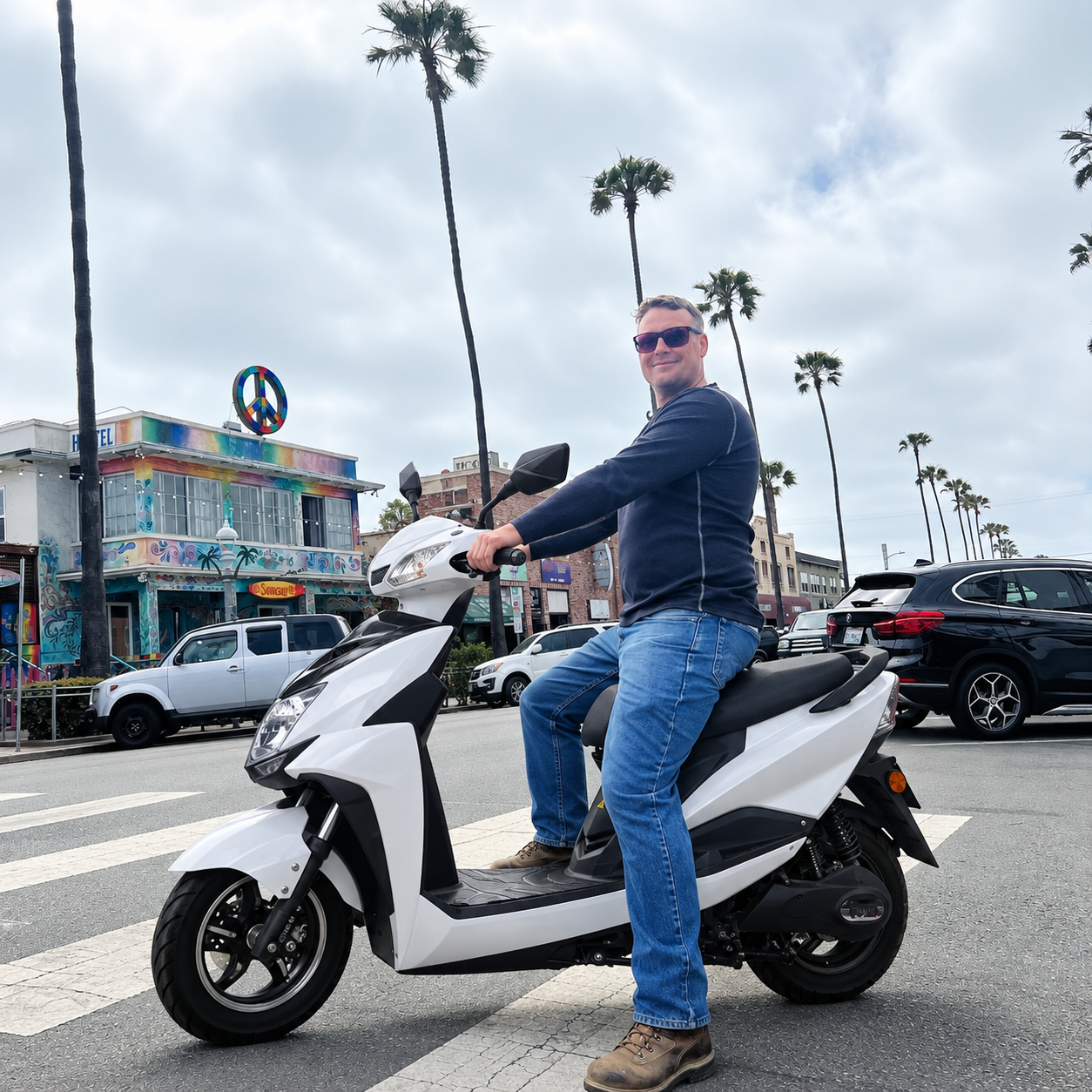 。
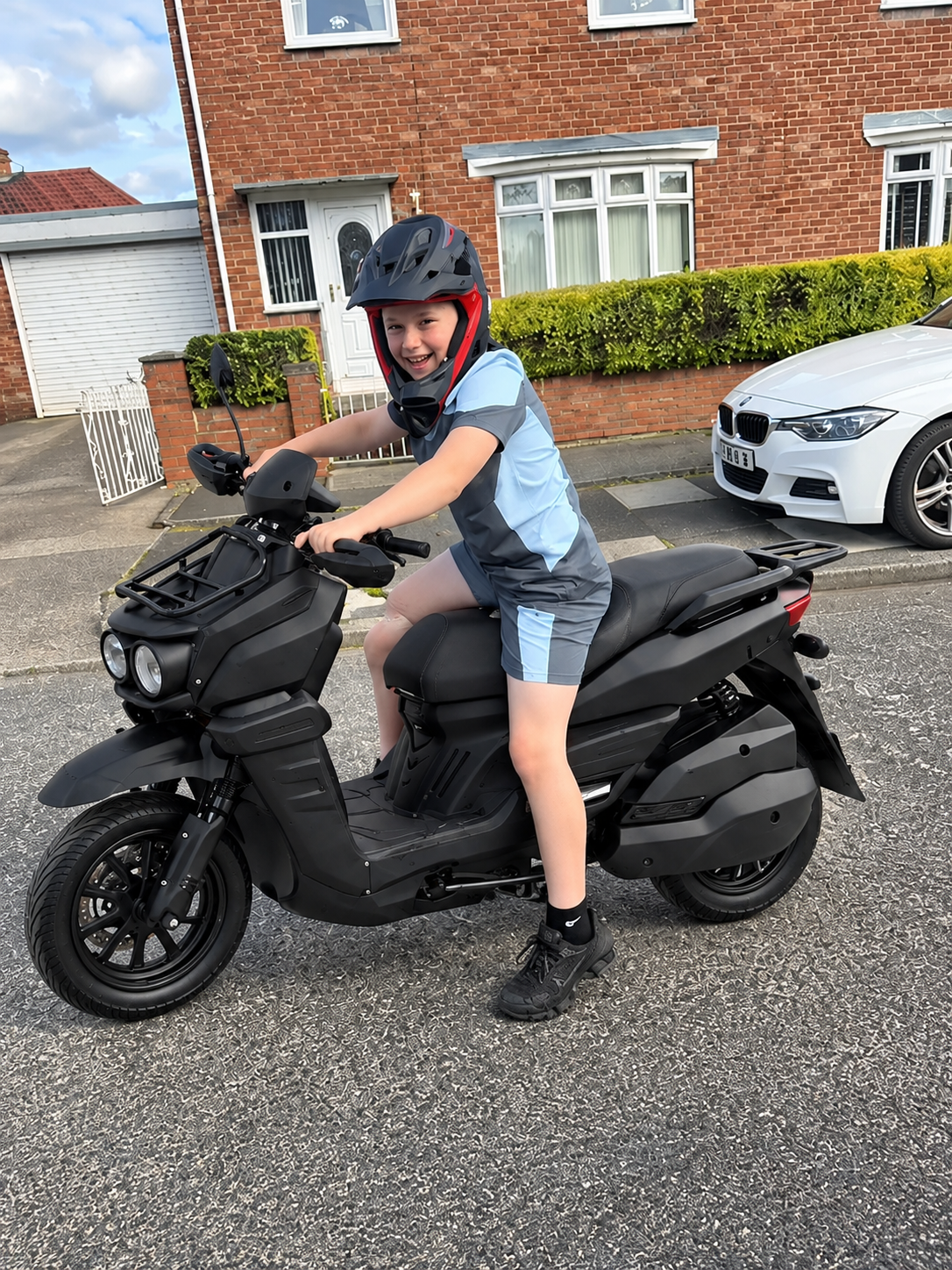
Two vehicles can look similar in photographs while having different components, packing requirements, and purchase prices. A useful comparison begins with a written specification sheet.
Record the motor rating, battery voltage and capacity, charger specification, braking system, frame details, wheel size, and included accessories. Ask the supplier to identify which configuration matches the quoted price.
The product name alone is not enough. “Electric bicycle” may be used loosely in advertising, while local authorities distinguish between pedal-assisted bicycles, throttle-operated vehicles, mopeds, and other categories. Have a local specialist confirm the classification of the exact model before committing to a commercial shipment.
Compare Complete Configurations
A lower quotation may exclude a battery, use a different battery capacity, or omit accessories included in another offer. Before choosing a supplier, compare the same configuration and the same delivery terms.
A simple comparison sheet should answer these questions:
- Is the battery included?
- Is the charger included?
- Are the quoted components fixed or subject to substitution?
- Does the price include export packing?
- What quantity does the unit price apply to?
- How long is the quotation valid?
- Which services are excluded?
Ask for photographs and specifications of the actual model being quoted. If the supplier offers several versions, identify your selected version by model code and configuration, not only by color.
Match the Model to Your Customers
Your purchasing decision should also reflect how customers will use the vehicles. A commuter, a delivery business, and a leisure rider may need different features.
Consider the routes your customers travel, their expected daily distance, and the service support your business can provide. A more expensive configuration may be appropriate for one customer group and unnecessary for another.
You can start comparing available vehicle categories through the Beijing Falcon Product Center. Once you have selected a model, request a quotation for that specific configuration rather than treating a general catalog price as the final import cost.
How Batteries Affect Electric Bicycles Import Costs
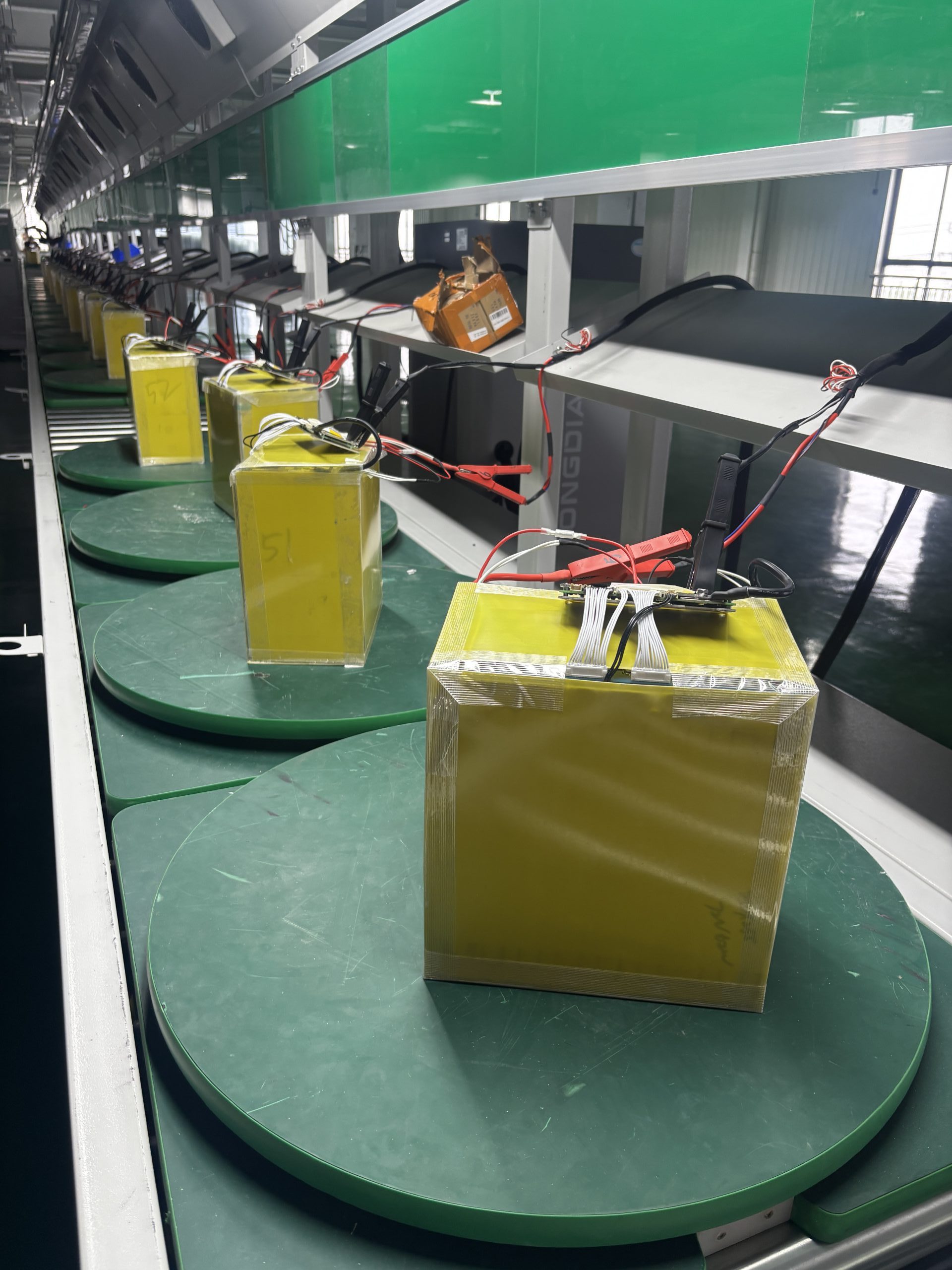
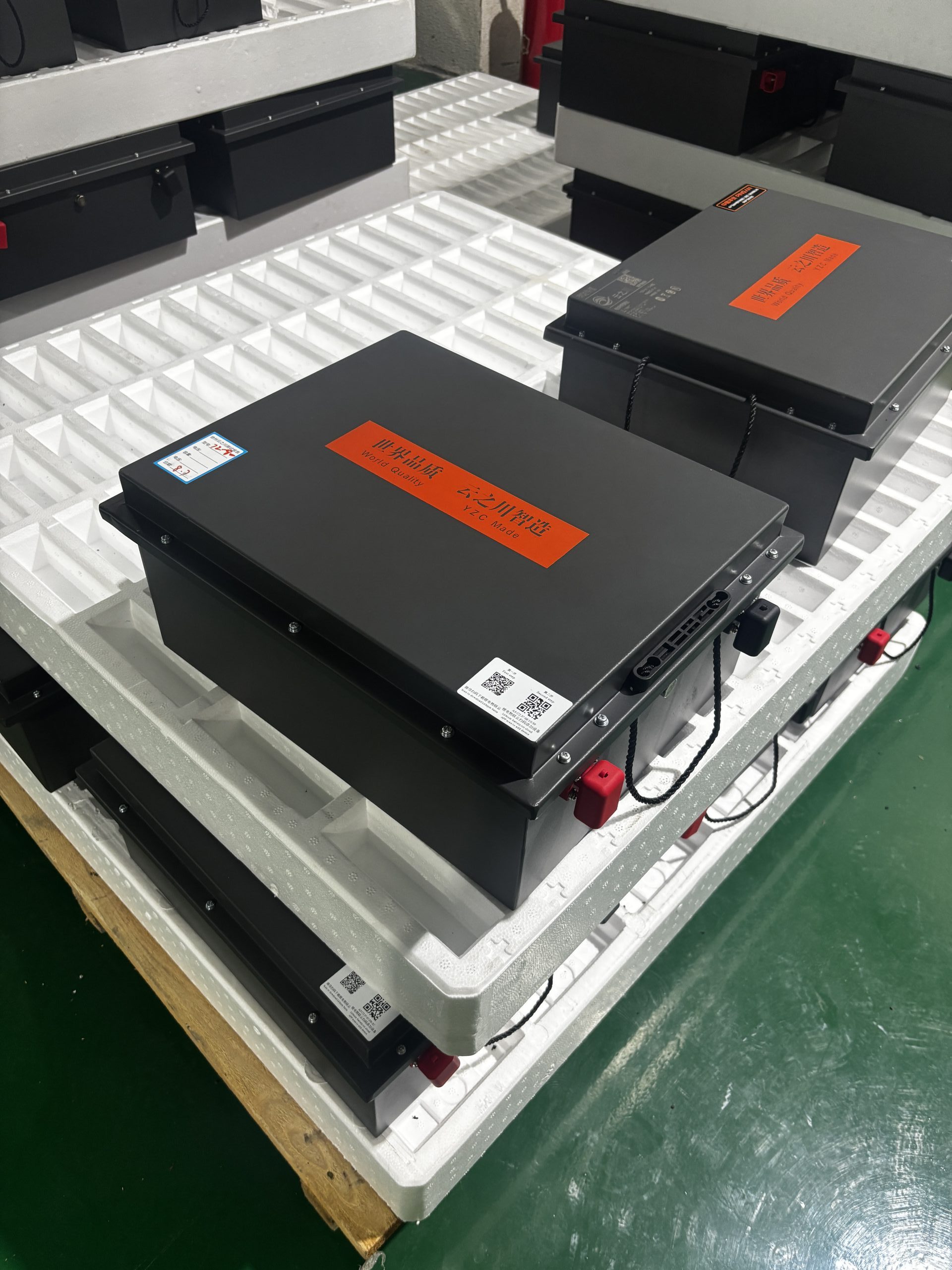
Batteries deserve a separate check because they influence both the vehicle specification and transport arrangements. Always confirm the battery type, nominal voltage, capacity, and whether it is included in the vehicle price.
When reviewing quotations, keep the units clear. Voltage is expressed in volts, or V. Battery capacity is often expressed in ampere-hours, or Ah. Nominal energy can be estimated in watt-hours by multiplying nominal voltage by ampere-hours.
For example, a nominal 48 V, 20 Ah battery represents approximately 960 Wh. That calculation describes energy capacity; it does not establish a guaranteed riding range.
Ask for Battery Documentation Before Booking
For lithium batteries, ask the supplier and forwarder which transport documents are required for the proposed shipment. Confirm that the documents correspond to the actual battery supplied.
For air transport, IATA’s lithium-battery guidance discusses testing documentation and carrier requirements. Airlines may impose additional restrictions, so acceptance should be confirmed before booking. Sea shipments need their own applicable documentation and carrier checks.
A safety data sheet alone should not be treated as confirmation that every transport requirement has been met. Your forwarder needs to review the complete shipment arrangement, including whether batteries are installed in the vehicles or shipped separately.
Compare the Total Cost of Battery Options
Do not compare battery options only by the initial purchase price. Ask about replacement availability, charger compatibility, warranty conditions, and the technical information your service team will need.
If you are considering buying batteries locally, first confirm compatibility with the vehicle’s controller, battery compartment, connectors, and charger requirements. An apparently cheaper arrangement can become expensive if the components do not work together.
Request separate prices when you need to compare vehicles with and without batteries. Keep both alternatives in your budget until the complete supply and shipping arrangement has been confirmed.
How Order Quantity Changes the Cost per Vehicle
Order quantity can affect the unit purchase price and the way shared expenses are allocated. However, buying more vehicles is useful only when the quantity fits your sales plan and available working capital.
For a first order, compare several quantities with the same model and configuration. For example, ask for quotations for a sample order, a small commercial batch, and a larger replenishment order.
This helps you see whether a discount comes from the product price, transport efficiency, or both. It also prevents you from assuming that doubling the quantity will automatically halve the shipping cost per unit.
Understand Shared Costs
Some expenses apply mainly to the shipment rather than to each individual vehicle. Their effect per unit can therefore change considerably with quantity.
Consider an invented shared charge of US$600:
| Order quantity | Shared charge | Allocated cost per vehicle |
|---|---|---|
| 5 vehicles | US$600 | US$120 |
| 20 vehicles | US$600 | US$30 |
| 50 vehicles | US$600 | US$12 |
This table demonstrates allocation only. It does not mean your shipment will have a US$600 charge or that all fees remain fixed as the order grows.
Ask your forwarder to separate fixed charges from weight-based, volume-based, and other variable charges. That breakdown provides a more useful comparison than a single unexplained shipping total.
Balance Savings Against Inventory Risk
A larger order can tie up money in stock before you know which models customers prefer. It can also increase your storage, inspection, and service workload.
Before increasing the quantity, consider how quickly you expect to sell the vehicles and whether you can support them locally. Testing a carefully selected model may provide more useful information than ordering many different versions at once.
For a new dealership, consistency can also help. A focused product range makes it easier to learn the vehicles, prepare spare parts, and explain the differences to customers.
What Information Does a Freight Forwarder Need?
A freight estimate is only as useful as the information behind it. “How much to ship ten electric bicycles?” usually leaves too many questions unanswered.
Provide the collection location, destination country, arrival port or delivery address, number of packages, packing dimensions, gross weight, and battery details. State whether you want transport to a port, a warehouse, or your final business address.
If packing information is still provisional, ask the forwarder to mark the quotation accordingly. Recheck it after the supplier confirms the final packing list.
Check Packing Volume
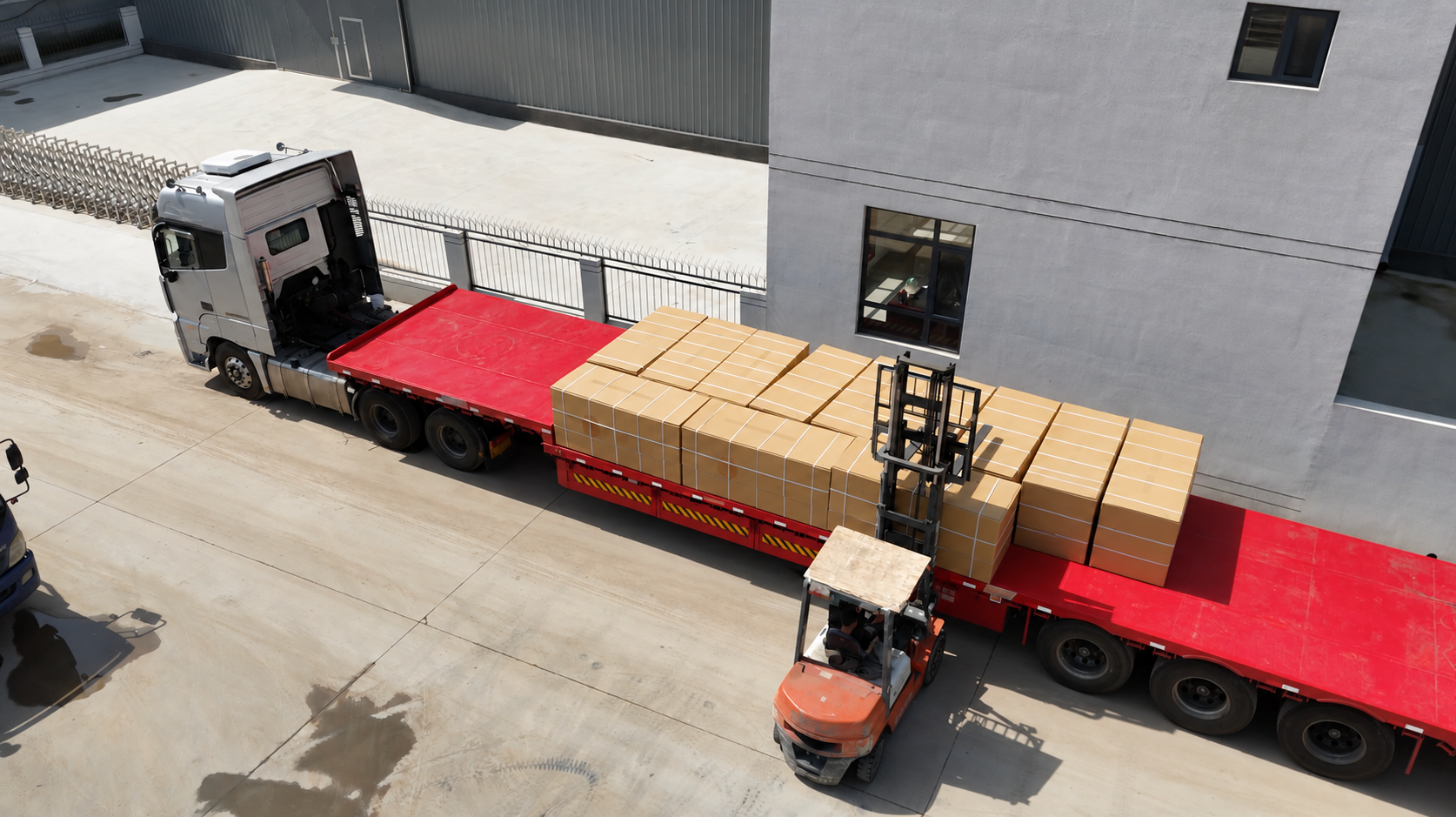
Vehicle dimensions and shipping dimensions are different. A bicycle may be partly disassembled for export, while protective packing can also add space and weight.
For rectangular packages, volume in cubic meters is calculated by multiplying length, width, and height in meters. As a calculation example, a carton measuring 1.30 m × 0.30 m × 0.80 m occupies 0.312 cubic meters.
That figure does not determine the freight price by itself. The forwarder still needs the total shipment details and the carrier’s charging rules.
Ask whether the packing arrangement has been confirmed for the exact configuration. Additional accessories or a different assembly state can change the shipment’s dimensions.
Compare Complete Freight Quotations
When comparing forwarders, ask each one to quote the same scope. Otherwise, a low offer may simply exclude charges included by another company.
Check the following:
- Collection and export handling
- Main transportation
- Battery-related handling requirements
- Destination charges
- Customs-broker services
- Final delivery
- Insurance
- Quotation validity and exclusions
Also ask what could change the price after booking. Record who will pay additional charges if documents are late, cargo specifications change, or the shipment cannot be collected within the agreed period.
Why Delivery Terms Matter When Comparing Prices
A supplier’s unit price makes sense only when you understand the delivery terms attached to it.
Incoterms describe how certain transport responsibilities, costs, and risks are divided between seller and buyer. They do not replace the full purchase contract or determine every commercial condition. The International Trade Administration’s Incoterms overview provides a useful introduction.
Your quotation should identify the chosen rule, the named place or port, and the version being used.
| Term | Main point to clarify |
|---|---|
| EXW | Collection arrangements and the buyer’s remaining export and transport responsibilities |
| FCA | The named delivery point and handover to the nominated carrier |
| FOB | Delivery on board at the named shipment port; intended for sea or inland-waterway transport |
| CIF | Freight and insurance to the named destination port; not automatically delivery to your warehouse |
| DAP | Delivery to the named place, with import clearance and import charges generally remaining with the buyer |
| DDP | Seller responsibility includes import clearance and applicable import charges; confirm the arrangement is workable locally |
Do not add a cost twice if it is already included in the agreed price. Equally, do not assume that “shipping included” means customs charges and final delivery are included.
Why Import Charges Differ Across South America
South America is not a single customs territory with one tax rate for electric bicycles. Your calculation must relate to the destination country, the exact product, and the import arrangement.
Before paying a deposit, send the specification sheet and proposed invoice to a customs broker familiar with your market. Ask for written confirmation of the classification, required documents, applicable charges, and any product-specific approval requirements.
Confirm the Classification
Ask the broker to review the actual vehicle design, power system, operating features, and intended use. Do not select a customs code merely because it appears on another supplier’s quotation.
The classification used for customs purposes and the category used for road registration may involve different checks. Confirm both where relevant.
Also ask whether importing complete vehicles, partly assembled vehicles, or separate components changes the treatment. Do not assume that removing a component automatically creates a cheaper or simpler import route.
Use Country-Specific Official Information
For Peru, SUNAT’s tariff application guidance explains that duties relate to the national tariff subheading and that special arrangements may apply under qualifying agreements. Any preferential treatment needs to be checked against the actual goods and supporting documentation.
For Brazil, the official Siscomex import simulators provide tools for reviewing tax and administrative treatment. A Brazilian importer should verify the applicable classification and transaction requirements before relying on a cost estimate.
The same principle applies elsewhere in the region: use the relevant national authority and a local broker. A tax example from one country should not be copied into a quotation for another.
Separate Taxes from Service Fees
Ask for duties, import taxes, broker fees, terminal charges, and inland transportation as separate items. They are different expenses and may be paid to different organizations.
For business planning, also distinguish the cash required to release the shipment from the final accounting cost. Whether any tax can later be recovered or credited depends on local rules and your business circumstances. Confirm that treatment with your accountant rather than removing the tax from your cash budget.
A Hypothetical Import Cost Calculation
The following example shows how to organize a budget for 50 electric bicycles.
Every amount is an assumption for illustration. This is not a Beijing Falcon quotation, a freight offer, or a tax calculation for any South American country.
Assume the purchase price is US$400 per vehicle, including the selected battery and charger. Assume the starting price excludes the logistics and import items shown separately below.
| Budget item | Assumed shipment cost | Cost per vehicle |
|---|---|---|
| 50 vehicles at US$400 each | US$20,000 | US$400 |
| Origin handling and export logistics | US$800 | US$16 |
| International freight | US$2,000 | US$40 |
| Cargo insurance | US$200 | US$4 |
| Destination handling | US$900 | US$18 |
| Customs-broker services | US$300 | US$6 |
| Inland delivery | US$800 | US$16 |
| Subtotal before duties and taxes | US$25,000 | US$500 |
| Illustrative allowance for duties and taxes | US$5,000 | US$100 |
| Total illustrative cash budget | US$30,000 | US$600 |
In this example, the total increases from US$400 to US$600 per vehicle. The difference is US$200 per unit, or US$10,000 for the shipment.
The tax allowance is simply a placeholder. It is not a percentage applied to a customs value and must be replaced with a calculation from the destination broker.
The example also excludes retail operating expenses, financing, marketing, and any unlisted inspection or approval costs. Add those separately when relevant. If an item is already included in your supplier’s delivery terms, remove the duplicate line.
Plan for Costs After the Shipment Arrives
Importing electric bicycles is only part of preparing them for sale. A dealer also needs a plan for receiving, checking, storing, and supporting the products.
Ask how much assembly is required and what tools or technical skills are needed. Arrange an arrival inspection so that missing parts, shipping damage, or configuration differences are documented promptly.
Agree on the process before shipment: which photographs to take, which records to keep, whom to contact, and how quickly a problem must be reported.
Prepare a Practical Spare-Parts Plan
Ask the supplier which replacement parts are relevant to the selected models. Confirm part numbers, compatibility, prices, and expected availability.
A small, planned spare-parts order may be more practical than urgently arranging individual replacements after a customer’s vehicle is out of service. However, select parts based on the actual model and expected service needs rather than buying an arbitrary package.
Warranty terms should explain what is covered, the claim procedure, and responsibility for parts, labor, and transportation. A statement such as “one-year warranty” is not enough to calculate the full cost of customer support.
Allow for Payment and Currency Changes
Keep a record of the quotation currency, deposit, balance payment, and any bank charges. If you sell locally in a different currency, calculate how exchange-rate changes could affect your available margin.
For example, a vehicle’s US-dollar cost may remain unchanged while its cost in your local currency increases. Test more than one exchange-rate scenario when planning an order.
Do the same for uncertain expenses. A separate contingency line makes uncertainty visible and prevents a preliminary budget from being mistaken for a fixed total.
How to Request an Accurate Quotation from Beijing Falcon
A useful inquiry gives the supplier enough information to identify the product and estimate the relevant services.
At Beijing Falcon, you can begin with a model from our product range or explain the type of vehicle your customers need. Sharing your destination and quantity helps us prepare a more relevant quotation.
Please include:
- Your country and delivery city
- The model or product photograph
- Your preferred battery configuration
- The quantity you are considering
- Whether you are purchasing for resale
- Your target purchasing schedule
- Your preferred delivery terms, if known
- Whether you have a freight forwarder in China
- Whether you have a local customs broker
If you are still deciding, tell us your target budget per vehicle and whether that budget is for the product alone or for the complete import.
You can review our electric vehicle product range before sending an inquiry. Availability, specifications, prices, and shipping arrangements should be confirmed in the final written quotation.
A simple message could be:
Hello, we are interested in importing electric bicycles for resale in South America. Our destination is [city and country], and we are considering [quantity] units. Please quote the model shown in the attached photo, including the selected battery and charger. Please list shipping separately and confirm the delivery terms.
This gives your supplier a clear starting point and reduces the time spent exchanging incomplete price estimates.
Contact Beijing Falcon
Planning an order of electric bicycles for your business?
Send us your preferred model, quantity, battery requirements, and destination. We can discuss the available configurations and prepare a quotation based on your purchasing needs.
Website: Beijing Falcon
Products: Browse the Product Center
WhatsApp: +86 136 0640 8896
Conclusion
The cost of importing electric bicycles depends on the complete order, not just the catalog price. Start with the exact vehicle and battery configuration, then add the transport, clearance, tax, and local delivery costs that are not already included.
For South American buyers, the most useful next step is to combine a detailed supplier quotation with a destination-specific calculation from a freight forwarder and customs broker.
Compare complete quotations, check the documents before shipment, and keep uncertain amounts visible in your budget. This approach gives you a clearer view of the cash required and helps you select an order that fits your business.
FAQ
How much do electric bicycles cost to import from China?
There is no universal amount. The total depends on the model, battery, quantity, packing, shipping route, destination charges, and local taxes. Ask for a detailed supplier quotation and combine it with a destination-specific logistics and customs estimate.
Does the advertised price include the battery?
Not necessarily. Some quotations include a battery and charger, while others price them separately. Confirm the battery type, voltage, capacity, and charger specification in writing. Compare complete configurations rather than comparing headline prices alone.
Is shipping included in the supplier’s price?
Only if the quotation says so. Ask which transportation stages are included and where delivery ends. Transport to a port does not automatically include customs clearance, taxes, terminal expenses, or delivery to your warehouse.
Is it cheaper to import a larger quantity?
A larger order may reduce some costs per vehicle, but the result depends on purchase pricing and shipping arrangements. Compare several quantities using the same model and delivery scope. Also consider the money tied up in stock and your expected sales pace.
Can I import one electric bicycle as a sample?
Ask the supplier and forwarder whether a sample shipment is practical for the model and destination. A single vehicle may carry a relatively high share of handling and transport expenses. Sample status does not automatically remove import requirements or taxes.
Are import taxes the same throughout South America?
No. Use the rules of the destination country and the classification of the actual product. Your broker should check the applicable duties, taxes, documents, and any qualifying trade-agreement treatment before you finalize the budget.
Does a CIF quotation mean delivery to my shop?
No. CIF relates to a named destination port and does not automatically include the complete journey to your shop. Ask for a separate explanation of destination handling, import clearance, taxes, and inland transportation.
Do I need a customs broker?
Requirements depend on the country and transaction. For a commercial order, consulting an experienced local broker before payment can help identify the correct classification, documentation, and expected import charges. Confirm who will act as importer and who will arrange clearance.
Can I buy the batteries locally?
It may be possible, but confirm compatibility before ordering vehicles without batteries. Check the electrical requirements, physical dimensions, connectors, controller, charger, and warranty implications. Compare the complete local-battery arrangement with a quotation that includes the battery.
What information should I send to Beijing Falcon?
Send the model or photograph, quantity, battery requirements, destination city and country, and expected purchasing date. Mention whether you already have a forwarder in China and a customs broker at the destination. These details help us prepare a useful quotation.